

Aftercare for DentalTreatment in Turkey
Good aftercare for dental treatment in Turkey starts before you leave the treating clinic. Ask for written instructions, understand how questions will be handled after you return to the UK and keep your treatment records accessible. Dental treatment abroad aftercare will differ according to the procedure, your health and the treating clinician’s assessment, so this guide provides practical planning information rather than a universal recovery programme. Follow the individual instructions supplied by your treating dental professional, including any advice about medicines, eating, oral hygiene, activity and review appointments. If anything is unclear, ask for an explanation before travelling home. Knowing whom to contact, what information to retain and when local assessment may be appropriate can make follow-up communication more organised.
Follow the Instructions Provided by Your Treating Dental Team
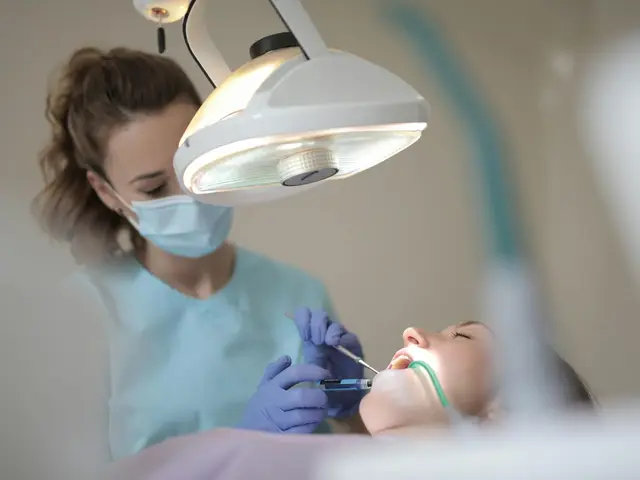
Post-treatment care after dental work in Turkey depends on what was performed and on your treating clinician’s assessment. Instructions suitable for one person or procedure may be inappropriate for another, so use your personalised written guidance as the primary reference. Before leaving the clinic, check that you understand how to use prescribed medicines, clean your mouth, choose suitable foods, manage normal daily activity and attend or arrange any recommended review. Ask which contact route to use if you have a question after returning home and whether the team expects progress updates. Keep the instructions where you can access them during your journey. General information from friends, social media or other patients should not override advice from the qualified professional responsible for your treatment. For procedure-specific background, you can explore dental treatment information, but your own clinical instructions remain the priority.
Practical Care During the First Days After Treatment
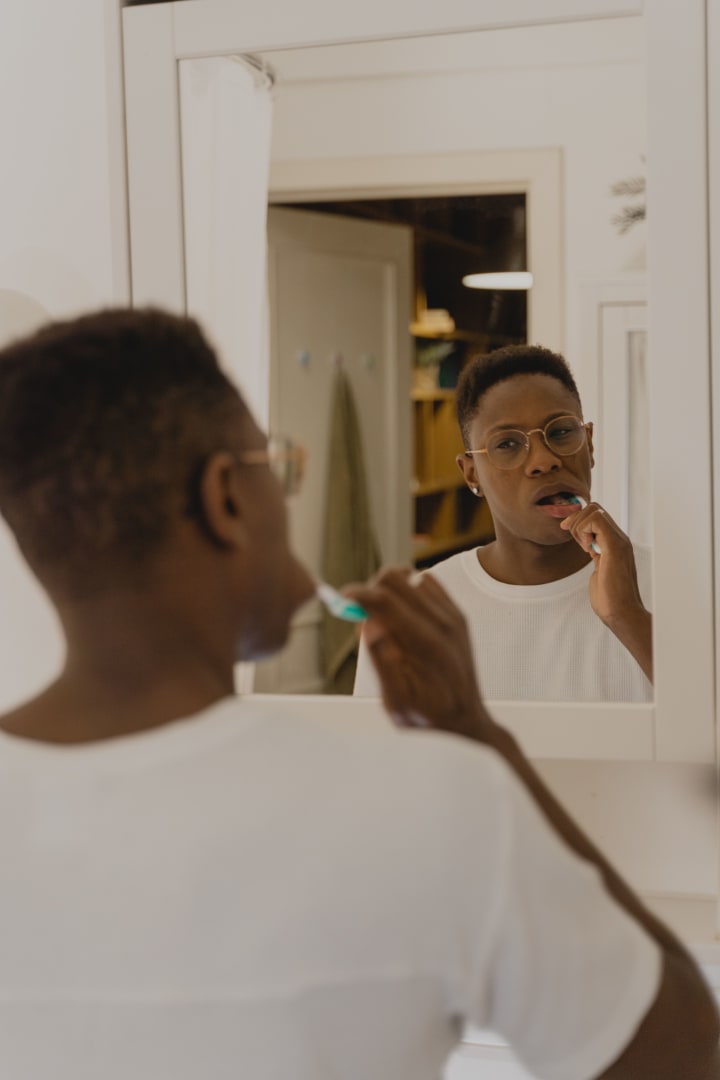
During the first days, keep your written aftercare plan nearby and follow it consistently. Allow time for rest where advised, maintain your recommended oral-care routine and notice whether your recovery is progressing as the treating team explained. Experiences vary, so avoid comparing your timeline with another patient’s or relying on a fixed promise about when you should feel fully recovered. If you are uncertain about a change, note when it began and contact the treating team through the agreed channel. Clear information can help them understand your question. Remote communication may assist with follow-up, but photographs and messages cannot replace an in-person examination when a qualified professional advises one. Seek local professional assessment rather than waiting for an online reply when a concern is severe, worsening or urgent.
Managing Aftercare During Your Return Journey
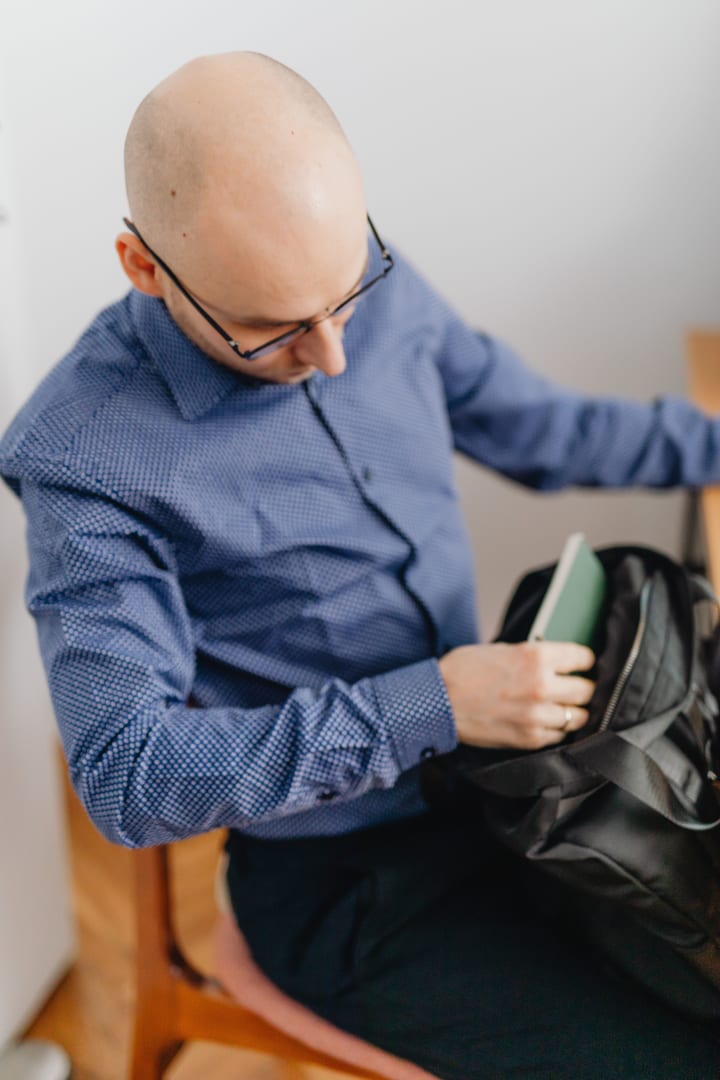
For practical dental tourism aftercare during your return journey, keep written instructions, prescribed medicines, treatment records and clinic contact details in an accessible bag rather than packed out of reach. Follow the treating clinician’s advice about travel timing, eating, drinking, oral hygiene and activity. Carry medicines in their original packaging where possible and check any relevant travel rules independently. If you notice a change during the journey, use the agreed contact route for guidance and seek appropriate local assistance when the issue appears severe or urgent. Travel information should support your aftercare plan rather than replace it. For broader preparation beyond post-treatment care, review documents and travel preparation.
Keep the Right Treatment Records for Follow-Up Care
Clear records can support continuity of care after dental treatment abroad by helping professionals understand what treatment was completed and what follow-up was proposed. Before leaving the clinic, ask which documents can be supplied and how you can obtain another copy if needed. Store digital copies securely and keep essential information accessible when travelling. If you later consult a UK dental professional, share the relevant records and describe your concern accurately. Records provide useful context, but they do not replace an examination or require another professional to assume ongoing care. That professional will make an independent assessment and explain what help they can offer. For wider pre-travel paperwork, use the separate documents and travel preparation guide.
How Follow-Up Care Can Be Organised
Follow-up care after dental treatment abroad should be discussed before you return home. The arrangement will depend on your procedure, individual circumstances and the treating clinician’s plan; there is no single pathway suitable for every patient. Ask who will contact whom, which communication channel to use, whether progress information is requested and when an in-person review could be recommended. Remote communication can help exchange information and coordinate next steps, but it cannot reproduce a clinical examination. After returning to the UK, retain your records and share them if you ask a local dental professional for an assessment. Clear documentation can support continuity, although the UK professional will independently decide what examination or care they can provide. For context about stages outside aftercare, understand the wider treatment journey.
Agree The Contact Plan
Confirm the appropriate contact route, expected response process and person or team responsible for receiving updates.
Provide Requested Updates
Share progress information in the format and at the time requested by the treating dental team.
Discuss Questions Remotely
Use remote communication for appropriate follow-up questions while recognising its limits without an examination.
Arrange In-Person Assessment
Attend a review with an appropriate qualified professional when one is recommended or concerns require assessment.
Support UK Continuity
Share complete records with a UK dental professional, who will independently assess what care they can provide.
If you develop a question or dental concern after returning to the UK, contact the treating team through the agreed route. Explain what you are experiencing, when it began and whether it is changing. Provide requested records or images, but remember that messages and photographs may be insufficient for a clinical conclusion.
Contact an appropriate local dental or healthcare professional when pain, swelling or another concern is severe, persists unexpectedly or is worsening. Share your treatment records where relevant. Do not delay an advised examination while waiting for remote communication, and do not attempt to diagnose or treat the issue using general online information.
If the situation feels immediately serious or urgent, use the appropriate local urgent or emergency service. This guidance is non-exhaustive and cannot determine the cause or severity of symptoms. A qualified professional who can assess you directly should decide what care is appropriate.
Aftercare and Follow-Up Questions
These answers provide general planning information. Your treating clinician’s individual instructions take priority, and recovery or follow-up requirements vary by person and procedure.
What should I do after dental treatment abroad?
Follow the written instructions supplied by your treating dental team because appropriate care varies by procedure and individual circumstances. Keep your records and contact details accessible, take any prescribed medicines exactly as directed, and monitor how you feel. Contact the treating team if you have questions, and seek local professional assessment when a concern is severe, worsening or urgent.
How is follow-up care arranged after dental treatment in Turkey?
Arrangements depend on your treatment plan. They may include an agreed contact schedule, requested photographs or progress information, remote communication and an advised in-person review. Remote contact can support communication, but it cannot replace a clinical examination when one is needed.
What treatment records should I bring back to the UK?
Retain any treatment summary, relevant dental images, prescriptions, written aftercare instructions, material or device details and contact information supplied by the treating clinic. Clear records can help another dental professional understand what was completed, although they will make an independent decision about assessment and care.
Can I see a UK dentist for aftercare following treatment abroad?
You may contact an appropriate UK dental professional and ask for an assessment. Share your available records and explain any current concern clearly. The professional will independently decide what examination, advice or care they can offer; receiving treatment abroad does not require an individual UK practice to assume ongoing care.
What should I do if pain, swelling or another concern worsens after I return home?
Contact the treating dental team using the agreed route and seek prompt assessment from an appropriate local dental or healthcare professional. If symptoms appear severe, rapidly worsen or feel urgent, use the relevant urgent or emergency service. General online communication should not delay necessary in-person care.
How Smile Center Health Supports Follow-Up Coordination
Dental treatments are performed by qualified clinicians at contracted, accredited healthcare institutions in Turkey; clinical assessments, treatment decisions and individual aftercare instructions remain with those treating professionals. Smile Center Health coordinates the healthcare-tourism journey and supports communication between international patients and the relevant partner clinic. This can include helping patients understand the agreed contact route, organising the exchange of available treatment information and supporting practical follow-up communication. The treating clinic determines whether remote information is sufficient or whether an in-person assessment should be considered. Patients in the UK may also contact an appropriate local dental or healthcare professional when an examination is needed, particularly when a concern is severe, worsening or urgent. General coordination and guide content cannot replace personalised clinical assessment.
Prepare for Aftercare Before Your Treatment Journey
Ask about aftercare before confirming your treatment journey. Find out which written instructions and records may be supplied, how follow-up communication is organised and which contact route you should use after returning to the UK. Smile Center Health can help coordinate these practical questions with the relevant partner clinic so that you understand the proposed arrangements before travelling. Requirements vary by procedure and individual assessment, and any clinical advice will come from the qualified professionals responsible for your care.
This guide provides general information. Individual instructions, clinical advice and treatment decisions are provided by qualified treating professionals and may require an in-person assessment.