

What Are Turkey Teeth?Meaning, Safety and Risks
“Turkey teeth” is an informal phrase commonly used in the UK to describe dental work received in Turkey. It is not a clinical diagnosis, a recognised procedure name or a standard treatment plan. Depending on the person and the context, the label may refer to veneers, crowns or a combination of restorative and cosmetic dental procedures.
That distinction matters because each option involves different preparation, materials, benefits, limitations and risks. Images or social-media stories cannot show whether a particular procedure is clinically appropriate for another person. Suitability can only be considered after a qualified dental professional reviews oral health, existing teeth, gums, bite, medical history and individual expectations.
This guide explains what the term may cover, the questions that affect safety and how longevity can vary. It is designed for UK patients seeking balanced information before making travel or treatment decisions. Dental treatments are performed by licensed clinicians at high-quality authorized clinics; Smile Center Health coordinates the international patient journey from initial enquiries through practical travel and follow-up arrangements.
What Does the Term Turkey Teeth Mean?
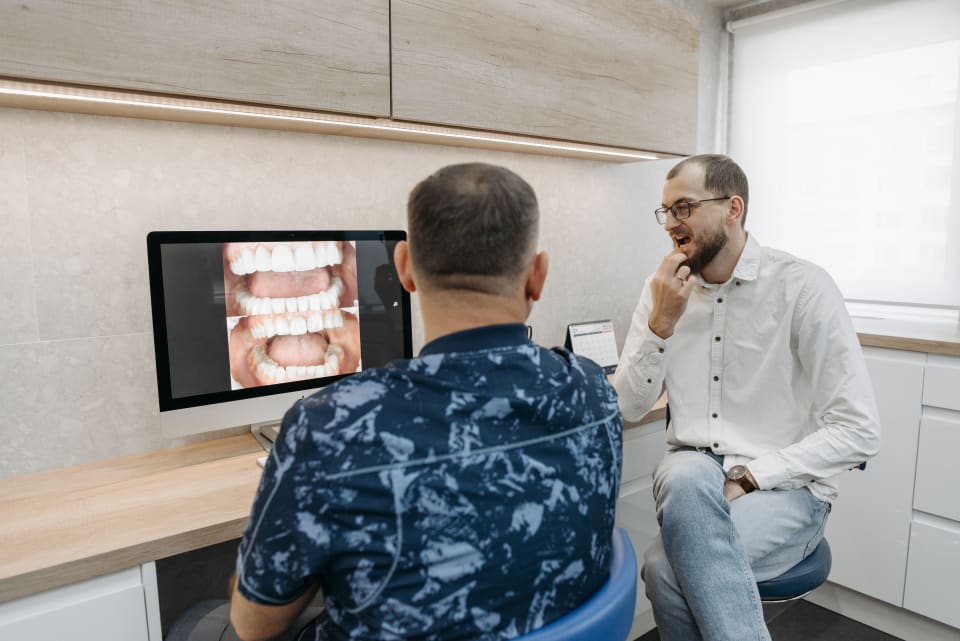
The meaning of “Turkey teeth” is broad and often imprecise. It usually describes a dental appearance associated with treatment in Turkey rather than identifying one specific procedure. Two people using the phrase may be referring to very different clinical situations, so it should never be treated as a complete description of what was performed.
The label is frequently associated with veneers. A veneer is a restoration placed over the front surface of a tooth, but veneer types and preparation requirements vary. Some cases may involve limited alteration of tooth structure; others may require a different restorative approach. The word “veneer” alone therefore does not explain the material, preparation, suitability or long-term maintenance involved.
The same phrase is also used for crowns, which cover more of the visible tooth. Crowns may be considered for restorative reasons, cosmetic aims or a combination of needs, but they are not interchangeable with veneers. Preparation is generally more extensive, and the decision should be based on the condition of each tooth rather than a desired appearance alone.
Some plans may combine procedures across different teeth. Existing fillings, missing teeth, gum health, bite relationships and previous dental work can all affect the proposal. A social-media label cannot reveal those details, and a plan suitable for one patient may be inappropriate for another.
Before agreeing to treatment, patients should understand which procedure is proposed for every tooth, why it has been recommended, how much tooth preparation may be involved, which materials will be used and what alternatives exist. They should also have an opportunity to discuss limitations, foreseeable risks, maintenance and future replacement needs through an informed consent process.
For procedure-specific information, explore dental treatment options. The treating clinic’s qualified dental professionals must determine suitability after reviewing clinical findings and appropriate diagnostic information.
The label may refer to restorations covering the front surfaces of teeth, but preparation, materials and suitability differ between cases.
It may also describe crowns that cover more of each tooth and require a procedure-specific clinical justification.
Oral health, bite, existing dental work and expectations must be reviewed before any treatment recommendation is confirmed.
Safety, Risks and How Long Results May Last
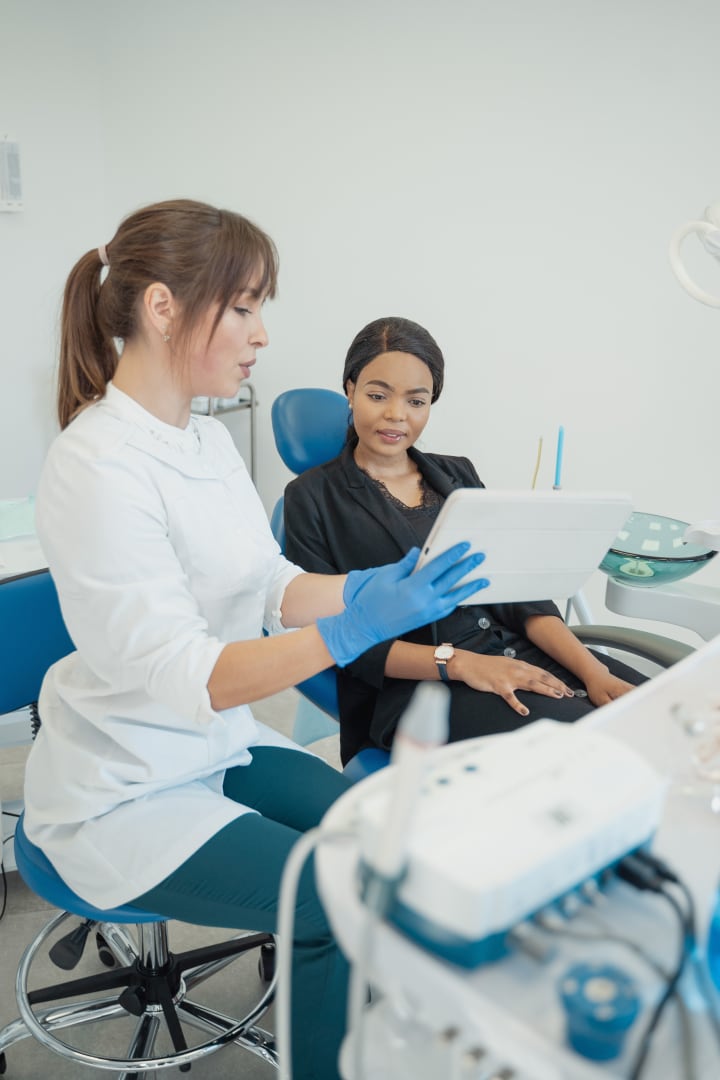
There is no universal yes-or-no answer to whether Turkey teeth are safe because the phrase can cover different procedures and patient circumstances. Safety depends on whether treatment is clinically justified, the condition of the teeth and gums, the proposed preparation, the materials selected, the qualifications of the treating team and the arrangements for maintenance and follow-up.
Any irreversible dental procedure requires careful assessment and informed consent. Potential concerns can include temporary or persistent sensitivity, pain, gum irritation, changes to the bite, difficulty cleaning around restorations, chipping, loosening or restoration failure. More serious problems may include infection, damage to the tooth nerve or loss of supporting tooth structure. The likelihood and significance of these issues vary, and a qualified dentist should explain risks relevant to the individual plan.
Warning signs deserve timely attention. Increasing pain, swelling, fever, a bad taste, discharge, a restoration that feels loose or a bite that suddenly feels different should be assessed by a dental professional. Severe swelling, breathing difficulty, swallowing difficulty or rapidly worsening symptoms require urgent local medical or dental help. Online information cannot diagnose the cause or replace an examination.
How long results may last also varies. No crown or veneer is permanent, and a fixed lifespan cannot be promised. Longevity may be influenced by the original tooth condition, material choice, clinical technique, bite forces, tooth grinding, smoking, oral hygiene, diet and attendance at ongoing dental reviews. Restorations may eventually require repair or replacement even when they have been appropriately planned and maintained.
Patients can reduce avoidable uncertainty by requesting a written treatment proposal, asking how each tooth will be prepared, discussing alternatives and clarifying who will provide follow-up support after returning to the UK. Existing dental records and recent imaging may help early planning, although the treating clinicians may require further examination or diagnostics before confirming a plan.
Daily cleaning, professional reviews and attention to habits such as grinding remain important after restorative treatment. Detailed recovery instructions should come from the treating clinic because recommendations can differ by procedure. For broader practical information, read the recovery and follow-up guidance.
Oral health, tooth structure, gums, bite and medical history can affect which options may be appropriate.
Qualifications, diagnostics, preparation choices, materials and informed consent all influence treatment planning.
Oral hygiene, smoking, diet and tooth grinding can affect restorations and supporting tissues over time.
Ongoing dental reviews can identify changes early and support appropriate repair or replacement planning.

Contact a qualified dental professional if pain, swelling, discharge, looseness or bite changes develop or worsen.
Severe swelling, breathing difficulty, swallowing difficulty or rapidly worsening symptoms need urgent local care.
How Smile Center Health Supports International Patients
Smile Center Health is a healthcare tourism facilitator based in Antalya, supporting international patients who are considering treatment in Turkey. The organisation coordinates practical stages of the journey, beginning with initial information exchange and online consultation arrangements and continuing through travel organisation and post-treatment communication support.
Dental examinations, diagnoses, treatment recommendations, informed consent and clinical procedures are delivered by licensed dental professionals at contracted, high-quality authorized healthcare institutions in Turkey. Those treating clinicians decide whether a person is suitable for a procedure after considering clinical findings, diagnostic information, medical history and individual needs.
Smile Center Health can help patients share available records, understand organisational steps, arrange requested travel services and maintain communication with the contracted institution. This coordination is intended to make an international treatment journey clearer and more manageable; it does not predetermine the clinical plan or outcome.
Patients should direct personal medical questions, concerns about suitability and procedure-specific risk questions to the treating dental professionals. Recommendations may change after an in-person examination or additional diagnostics, and no treatment result or restoration lifespan can be guaranteed.